Roofing in Old Town Burleson
A stain on the ceiling of a 1960s ranch, a porch roof that never drained right, a downtown building with a parapet that needs attention before the next storm. Here is how Old Town roofs get sorted out.
Roofing, explained.
What is on the roof of an older Old Town home?
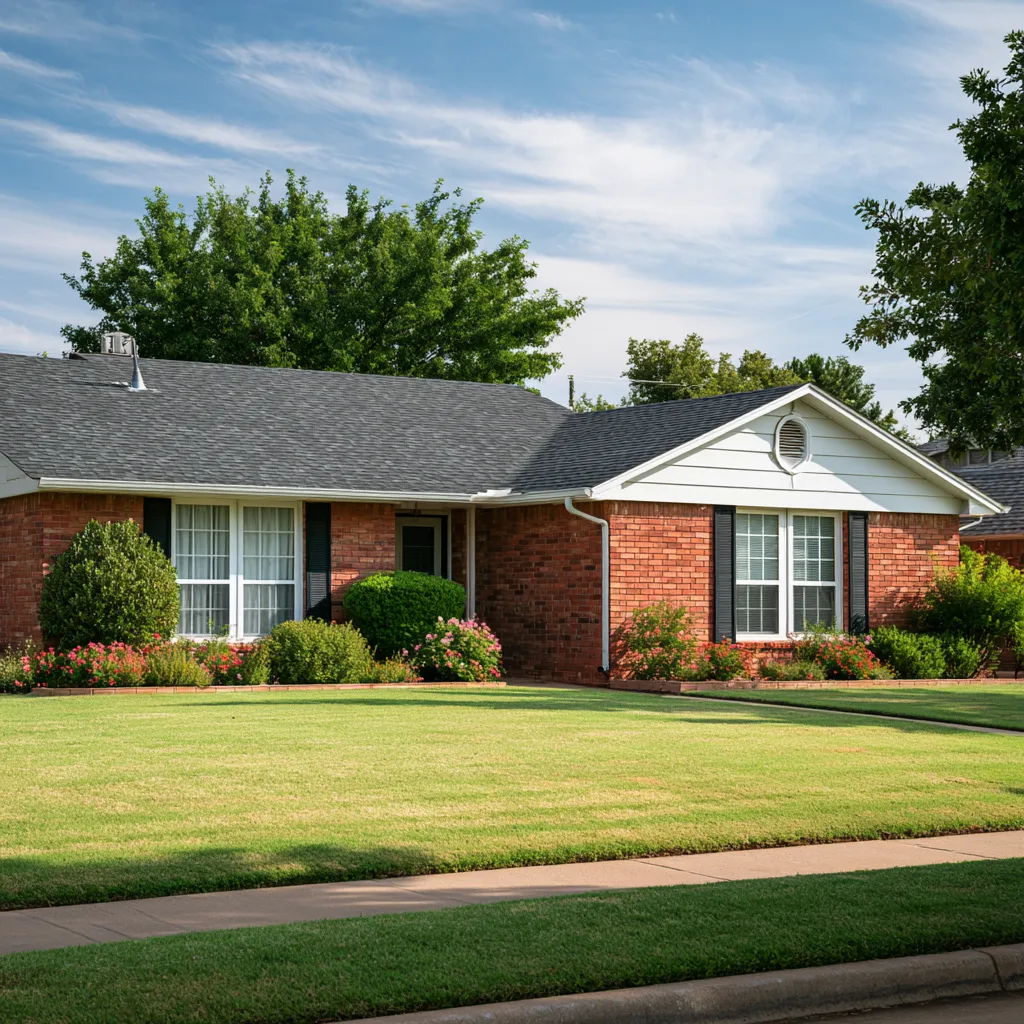
The city's plan describes Old Town Residential as mainly smaller ranch homes from the late 1950s to the mid-1960s, with some newer neo-traditional development. That gives the neighborhood a history, but it does not date the covering on your house. A previous owner may have stripped the roof, added another layer or repaired an addition without replacing the rest.
A free inspection starts with the roof that is there now: its covering, visible layers, flashing connections and signs of damage or deterioration. A repair needs compatible material, secure support and sound roofing to tie into. Some decking can be seen from accessible openings or an attic; its full condition may stay concealed until the covering comes off. Those findings explain whether a local repair is enough or a replacement deserves a place in the conversation.
What the inspection looks at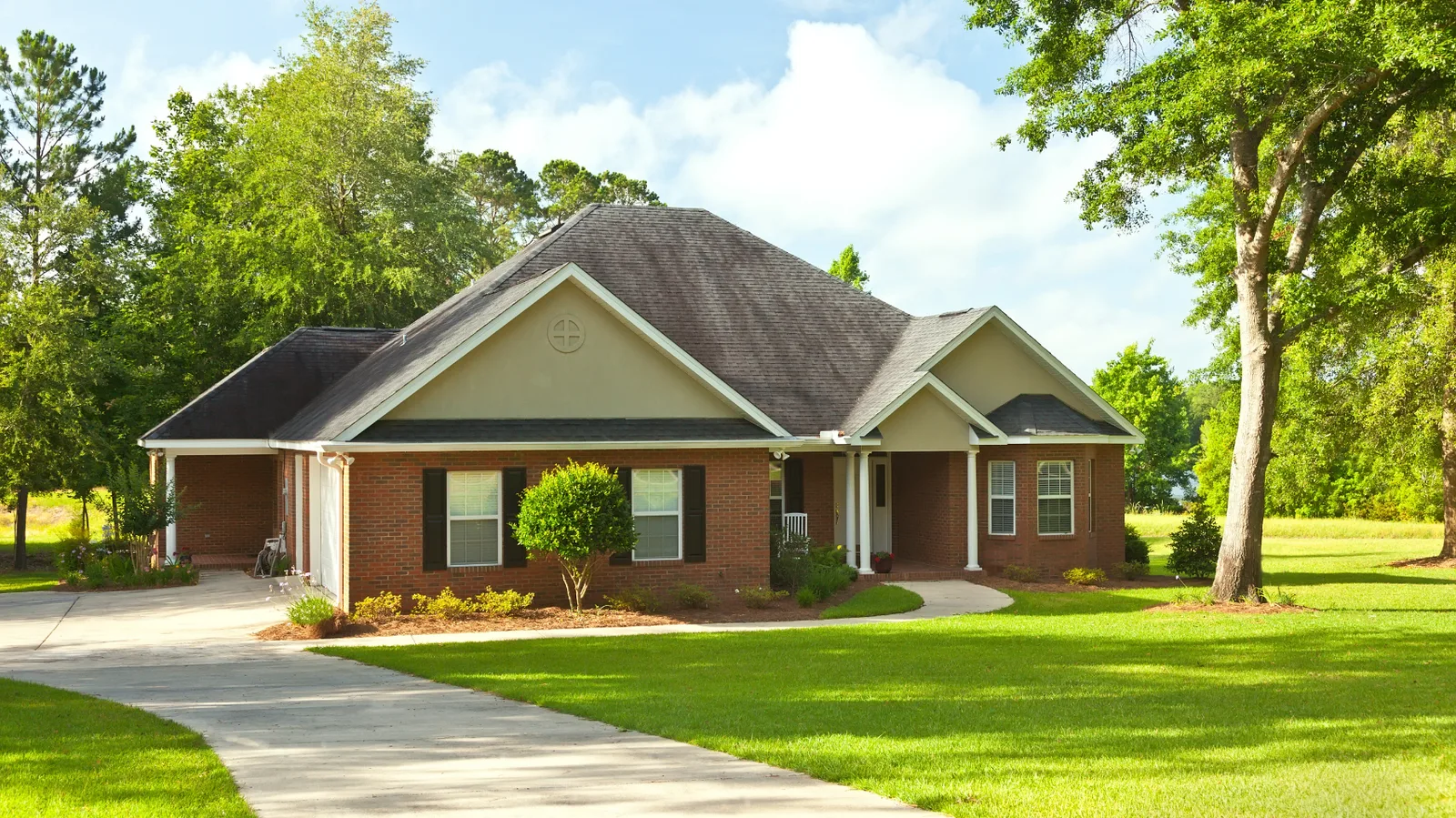
Roof connections worth checking on a ranch home
A broad roof sheds water across shingles, through valleys and past its edges. The inspection follows that route and the joints where a porch, chimney or addition interrupts it.
The carport or porch tie-in
If a carport, screened porch or back addition meets the original house, the connection has to suit both roof pitches and materials. A stain near that wall gives the roofer a place to start tracing water, but the opening may be farther upslope. The repair should reconnect the roof and wall drainage layers, not just cover the stain's position.
The brick chimney
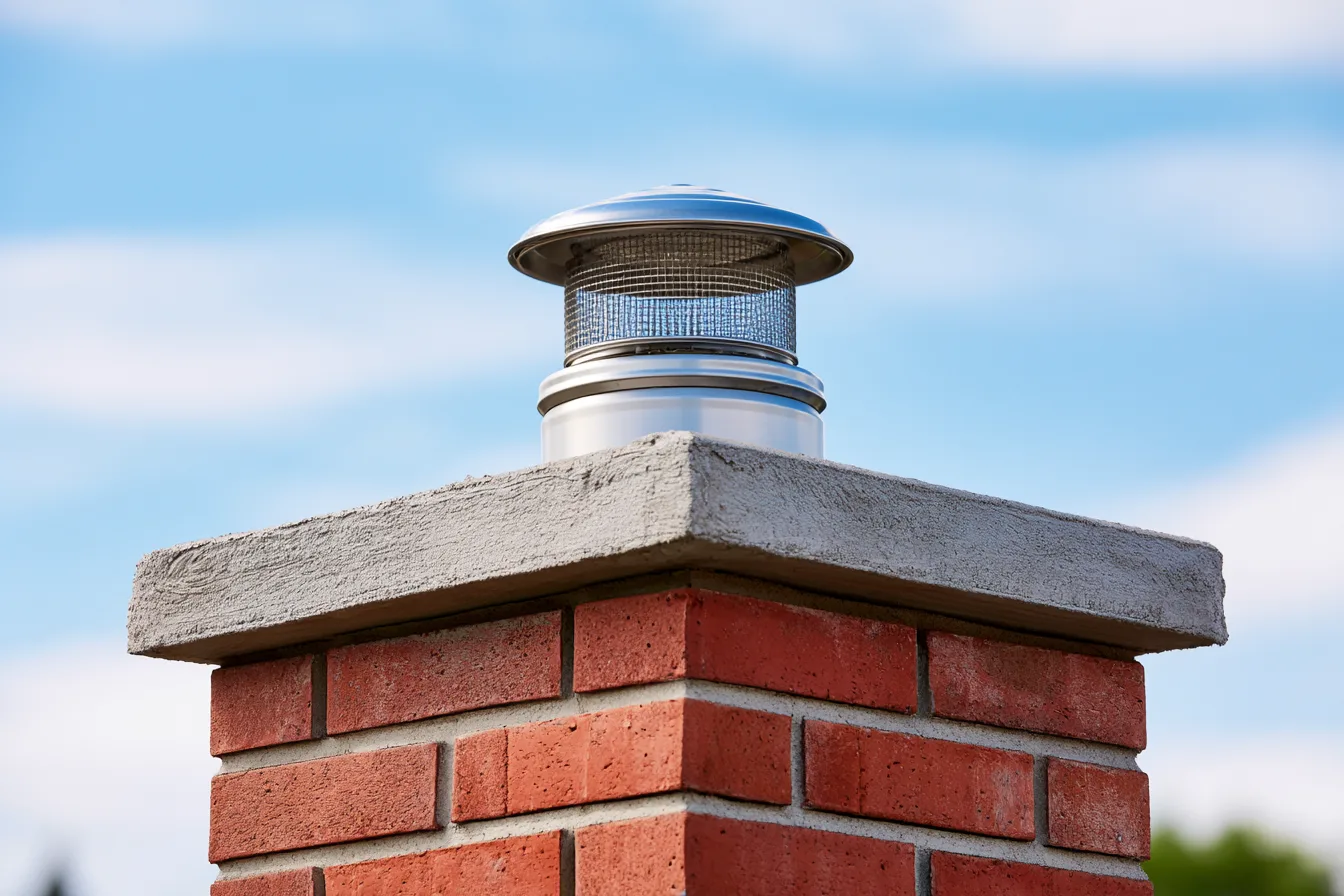
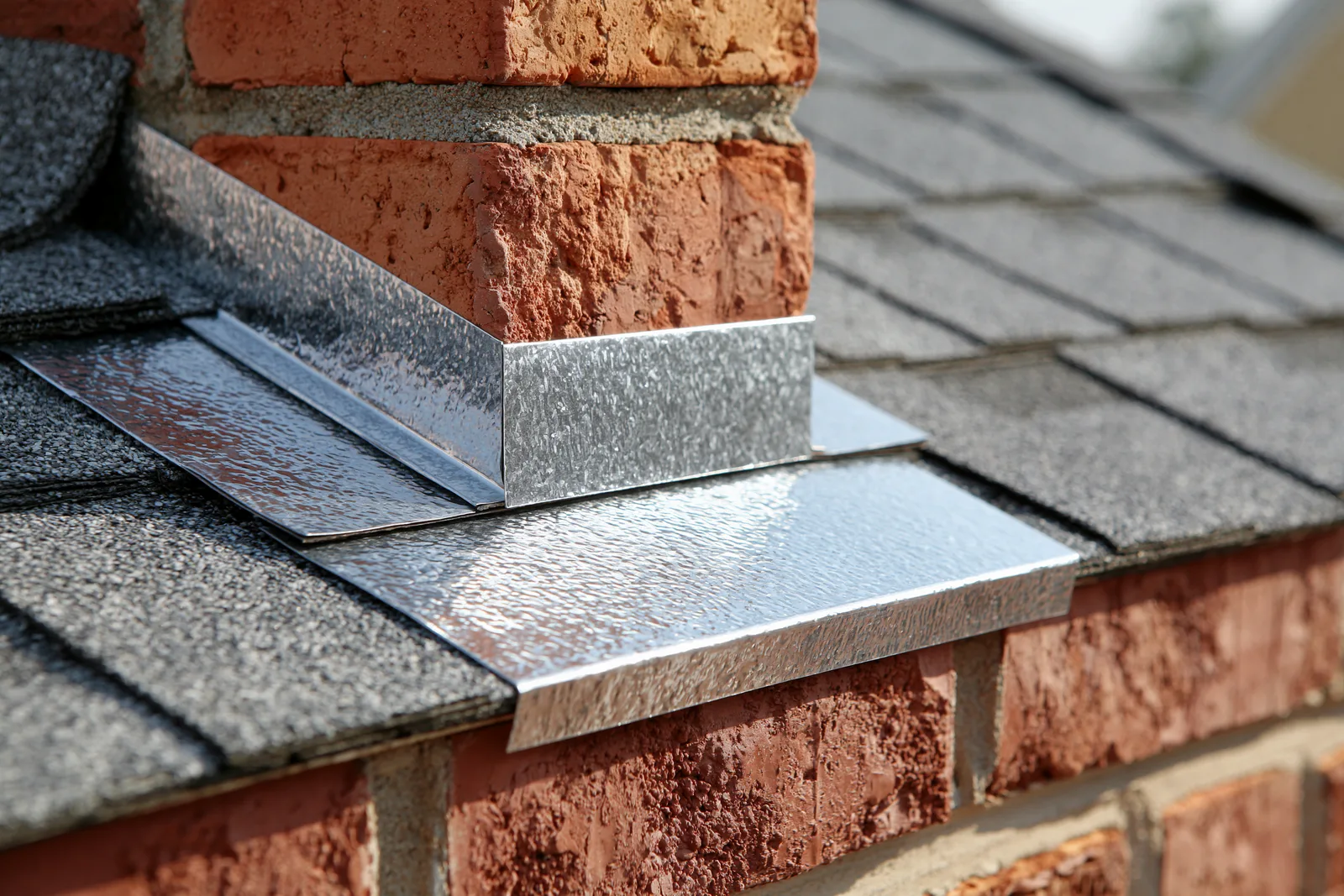
Along a shingled chimney side, step flashing overlaps with the shingle courses. Counterflashing covers its upper edges at the masonry connection. Open joints, loose metal or failed seals need to be checked together; putting more sealant over the surface will not rebuild a missing overlap.
Vent boots on a low pitch
A plumbing vent's collar and base flashing can crack, loosen or separate from the surrounding roof. The roofer checks both the opening and how the flashing ties into the covering. A low pitch also needs a roof covering and underlayment suited to that slope.
Eaves, soffits and gutters
Runoff needs a clear route from the roof edge into the gutter and downspout. Debris, poor gutter fall or a loose edge connection can leave water against the fascia or let it spill behind the gutter. Stained or deteriorated wood helps define what needs repair as well as what needs clearing.
Downtown buildings and the Old Town design standards
Flat roofs behind parapets
For a downtown building with a low-slope roof behind a parapet, inspect the field of the roof as well as the seams, drains, scuppers and wall details. Blocked drainage and open coping joints are separate problems to trace. Depending on the existing assembly, the answer may be a membrane repair, a compatible coating after repairs or a new roof system.
Sloped roofs you can see from the street
The published Old Town supplemental standards apply to the district's C and I building classifications. They list standing seam metal, slate, tile and simulated alternatives for visible front-facing slopes, prohibit asphalt shingles on roofs over 3,000 square feet and generally restrict mansards. They do not restrict the covering on a flat roof hidden behind a parapet. Those are rules for the buildings within their scope, not a material ban on every nearby home.
Before material is ordered
For a building subject to the standards, settle the current project requirements with Development Services before choosing material. A visible roof change and an ordinary reroof may raise different review questions. The permit guide explains Burleson's published permit information and where to confirm the work involved.
Old Town roofing FAQs
Does an older Old Town house need a new roof because of its age?
No. The house's age does not establish the roof's age or condition. A localized defect may be repairable when matching material, support and surrounding connections allow a proper tie-in. Widespread deterioration or damage can make a larger scope sensible. Shingle flexibility is one observation, not the whole decision.
My house has two layers of shingles. Can a third go on?
No. The reroofing provisions of the 2021 residential code adopted by Burleson do not permit another covering over two existing layers. A new covering needs tear-off, which also exposes the deck for a fuller assessment. That does not rule out an appropriate local repair. Burleson's permit list specifically names residential reroofs with decking replacement; confirm the actual project requirements. The replacement page explains removal and deck repairs.
I own a storefront near the plaza. Can I put shingles on the visible slope?
First confirm whether your building falls under the Old Town supplemental standards and what the proposed work requires. Their published material limits cover visible slopes, while flat roofs hidden by parapets have different treatment. Roof area also matters to the asphalt restriction. The commercial roofing page explains the system choices once the building and review requirements are clear.
Tell us about the Old Town roof
Send the street, what you have noticed and roughly when it started. If the house has an addition or the building has a parapet, mention it. A roofer walks the roof and tells you what it needs, and asking commits you to nothing.