Roof replacement in Burleson
A full tear-off exposes the old roof’s wood base so damaged sections can be fixed before new layers go on. Understand the work, choose the materials and request a free inspection for your Burleson roof.

Roofing, explained.
The useful part of a tear-off is what it reveals
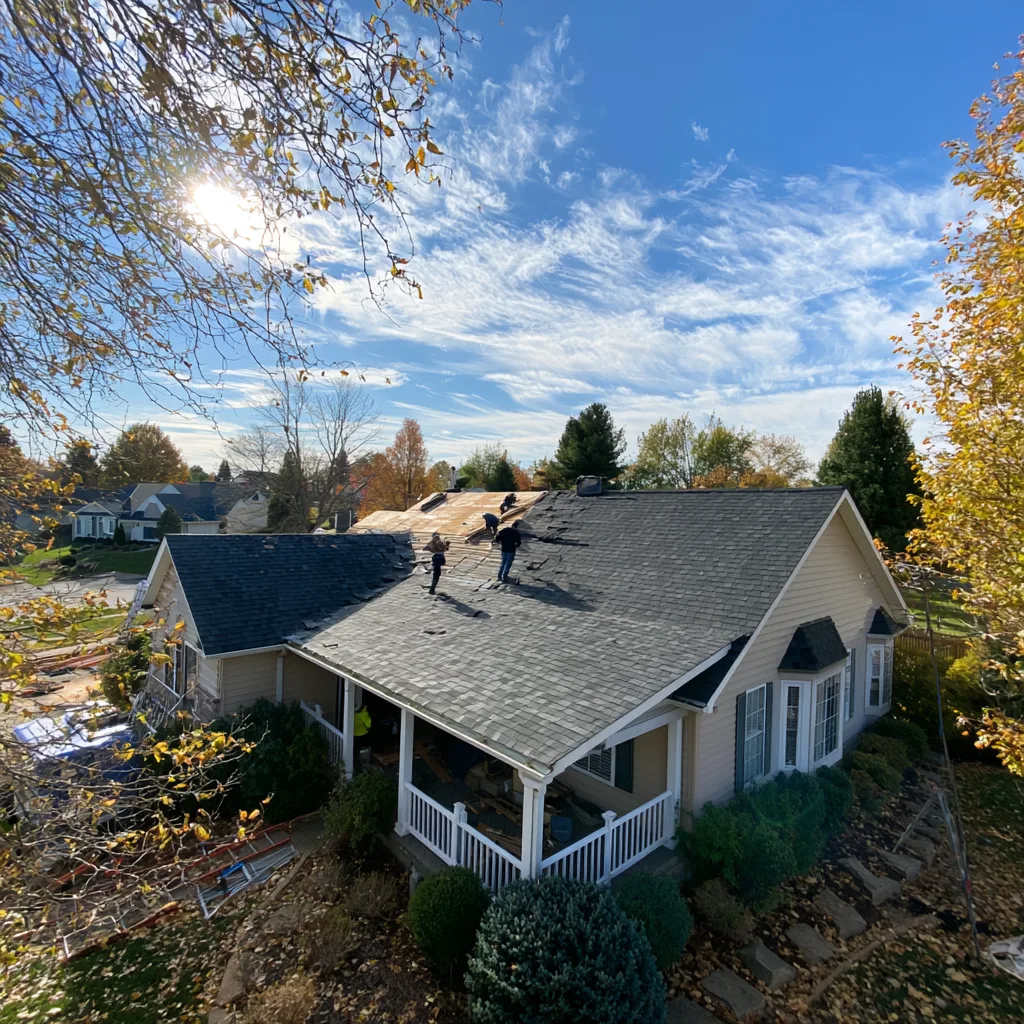
The old shingles can hide a lot. Removing them and the worn underlayment exposes the deck: the wood panels or boards that support the roof covering and hold its fasteners.
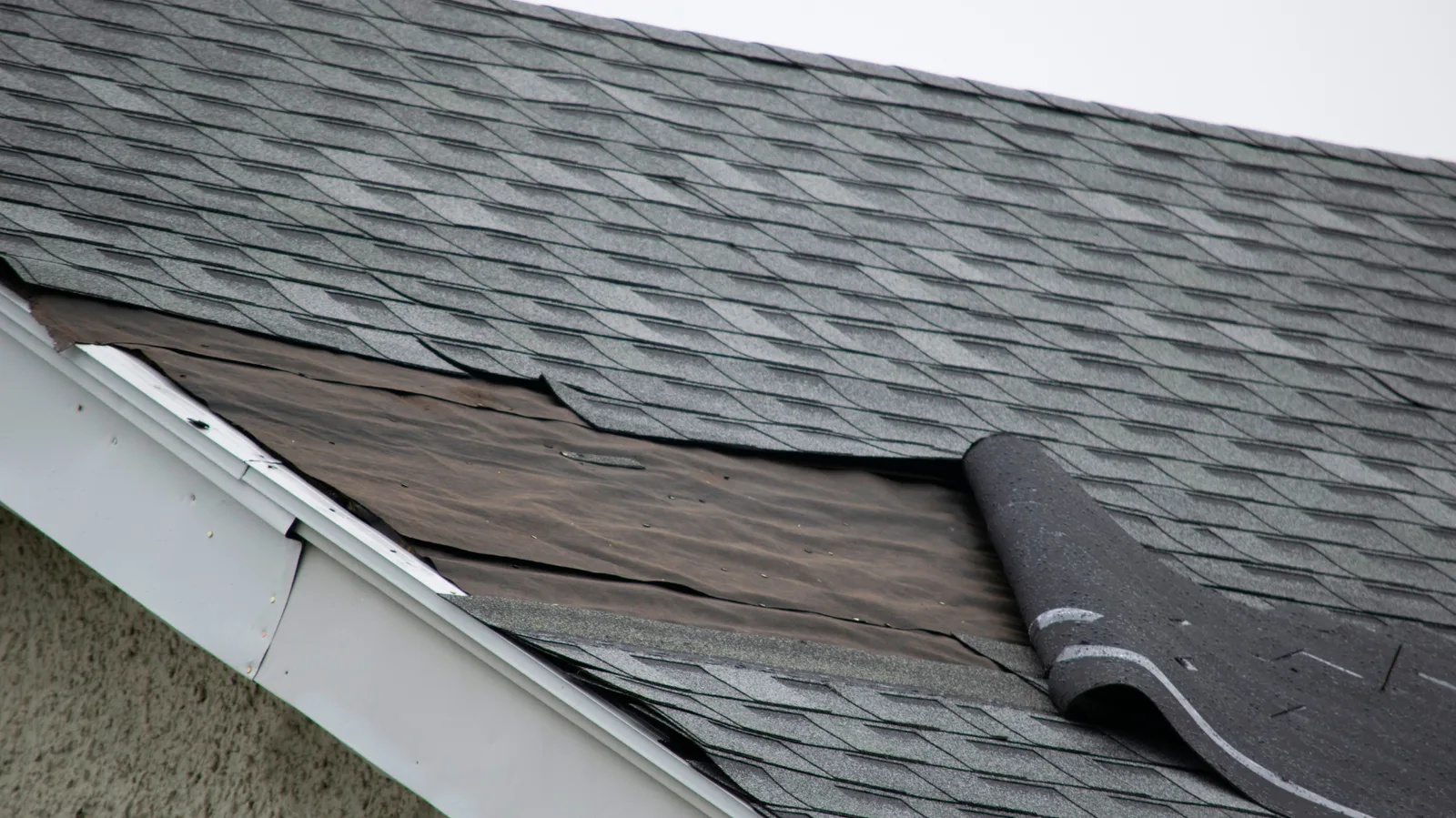
Sound decking does not need replacing simply because the shingles have reached the end of their useful life. Soft spots, delaminated panels and damaged edges are different. Covering those with a new roof leaves the fastening problem in place.
Some concealed repairs only become clear during tear-off. A useful replacement scope explains how additional wood repairs will be identified, priced and agreed before the new covering closes them in.
From the deck to the ridge
The layers are installed in an order that lets water run over the next connection. The exact products and details depend on the roof, the selected covering and the requirements for the property.
Valleys collect runoff from two slopes. The membrane and finished valley detail need to protect the wood under that concentrated flow and let it leave freely. At the eaves, edge metal carries water past the deck and fascia rather than letting it curl underneath the shingles.
Shingles
After the supporting layers are ready, the new covering goes on in courses that match the selected product's exposure and fastening requirements. Ridge and hip caps finish the changes in roof direction. The shingle model belongs with its matching details, rather than being chosen as a stand-alone bundle.
Replacement decision: the profile you choose changes the finished appearance; its installation requirements shape the work.
Underlayment
Tear-off exposes the roof to weather while the assembly is rebuilt. Dry-in materials and their laps need to connect to valleys, edges and penetrations as the job progresses. The product and roof conditions determine where each membrane or underlayment belongs.
Replacement decision: weather exposure and the dry-in sequence are part of planning an open roof.
Decking
Removing the old covering makes the wood available for assessment. Soft, broken or delaminated sections cannot provide the same dependable fastening as sound material. Their replacement changes the wood quantity in the job; it does not justify assuming the whole deck is bad before it is uncovered.
Replacement decision: agree how newly exposed damage will be measured and priced before the deck is covered again.
Flashing
This is the time to resolve the wall, pipe and valley details that a new field of shingles would otherwise bury. A roofer has to establish which existing connections can remain and which need rebuilding. Replacing the covering while leaving a failed junction untouched carries the old leak into the new roof.
Replacement decision: the scope should identify the connections being addressed, not only the number of shingles.
Ventilation
The roof opening also gives the project a chance to address the intended attic air path. In a vented assembly, intake and exhaust need to work together; insulation or a blocked inlet can interrupt that route. Adding a ridge outlet alone does not establish adequate ventilation.
Replacement decision: choose the ventilation arrangement for the actual attic and assembly before the covering is finished.
How the project moves across your home
Roof replacement is noisy, active work around an occupied home. Planning access, debris handling and the weather window helps the project fit the property rather than treating every roof as the same job.
Prepare the space below
Vehicles, patio furniture, pets and access to doors all affect the work area. Material delivery and the debris container need a place that works for the home and the crew.
Open and assess the roof
Tear-off removes the old covering. Exposed wood is assessed and repaired as needed before underlayment and the new assembly go on. Rain can change how much roof is opened at once.
Build the water-shedding details together
Shingles and flashings are installed as connected parts. Finishing the field shingles while leaving an unresolved wall junction would leave the important question unanswered.
Finish beyond the last shingle
Ridge details, vents, gutters and the surrounding ground need attention at the end. Debris removal and checking the completed details belong in the project scope, too.
Choose the visible roof and the details underneath
The new shingle affects appearance and price. It does not remove the need for a sound base, the correct accessories or properly integrated flashing.
Choose the profile deliberately
Three-tab shingles have a flat, repeated pattern. Architectural shingles use laminated layers for dimension. Designer shingles use a more pronounced shape or texture. Impact resistance is a separate product characteristic, not another name for architectural shingles.
Decide what can be reused
Existing metal flashing may be damaged, poorly fitted or difficult to integrate with a new roof. Its condition and the planned connection determine whether reuse makes sense. Likewise, intact decking and compatible vents should be assessed rather than automatically discarded.
The replacement budget follows the roof
The measured surface
Roofing prices follow the surface being covered. A two-story house does not necessarily have twice the roof area of a one-story house, and a steep, cut-up roof can have much more surface and detailing than its footprint suggests.
The work on that surface
Removal layers, valleys, wall intersections, access and damaged decking all affect labor and materials. Compare a complete scope before judging the total. Our regional cost tool includes ordinary tear-off in its planning range, so it should not be added a second time.
A regional budgeting example
For an example with 2,000 square feet of actual roof surface, a published 2026 East DFW architectural-shingle planning range works out to about $10,000 to $16,000. This is regional budgeting context, not a Burleson quote or a promise about your roof.
What can move the range
The cost tool lets you change the size assumption and explains what can move the price. Extra tear-off layers, difficult access and wood repairs uncovered below the old roof can put a project outside that range.
Keep the roof and its warranty in perspective
A warranty describes particular failures and remedies. It is not a forecast of how long the roof will last. Keep the issued terms with the roof’s installation records.
- What “lifetime” means
- The definition can depend on who owns the building and whether coverage transfers. A later, prorated claim can receive less support than one made in the initial protection period.
- The work and the product
- A material-defect warranty does not automatically cover installation mistakes. Labor, tear-off and disposal can have different limits. An enhanced system warranty may add protection only when its eligibility conditions are met.
- Keeping the paperwork useful
- Save the product name, installation date and proof of purchase. Registration rules and transfer notices vary; a sale is the time to check them, not assume the warranty follows the deed.
- If a leak appears later
- Contact the party named in the applicable warranty before arranging non-urgent alterations. Damage caused by installation, ventilation or later work can be excluded. If the installer has closed, a separate manufacturer warranty still has its own claim route.
Roof replacement FAQs
Can the new shingles go over the existing roof?
A roof-over leaves the deck concealed and adds weight. It also requires the existing covering, structure and roof details to suit the new assembly, along with the applicable layer limits and product instructions. Tear-off is often the more informative route because the whole deck becomes accessible.
Can I stay at home during replacement?
Many people remain at home, but expect noise and restricted outdoor work areas. Pets, children, parked vehicles and anyone working from home need a plan. The contractor can explain the work zone and access arrangements for your property.
How long will the job take?
Size, pitch, material, deck repairs and weather all affect the work period. A straightforward shingle roof is a different undertaking from a steep roof with several additions. The project needs its own schedule; an online example is not an installation appointment.
What happens if damaged wood is found?
Unsound decking needs resolving before it is covered. The proposal should explain the basis for additional repairs, including how quantities and approval will be handled. That lets a concealed condition become a clear decision instead of an unexplained extra charge.
What warranty comes with a new roof?
Product coverage and installation workmanship coverage are different. The specific manufacturer and contractor set their terms, limits and exclusions. A product’s long warranty period is not a prediction of your roof’s life or a blanket promise that labor is covered.
Will another roof vent cool a hot upstairs room?
Not necessarily. A vented attic needs clear intake and exhaust, while insulation and air sealing limit heat passing into the rooms. A powered fan with blocked intake can draw cooled house air into the attic. The attic and the rooms need different checks.
Should a ridge vent work alongside other exhaust vents?
That needs a system check. Different exhaust types in the same attic can draw air from each other instead of the soffits. Check the intake path and the intended exhaust arrangement when planning the new roof.
Plan the roof you need
If repairs are recurring or the covering is wearing out across the roof, request a free inspection. Start with its present condition, then choose the replacement scope and material that fit the house.